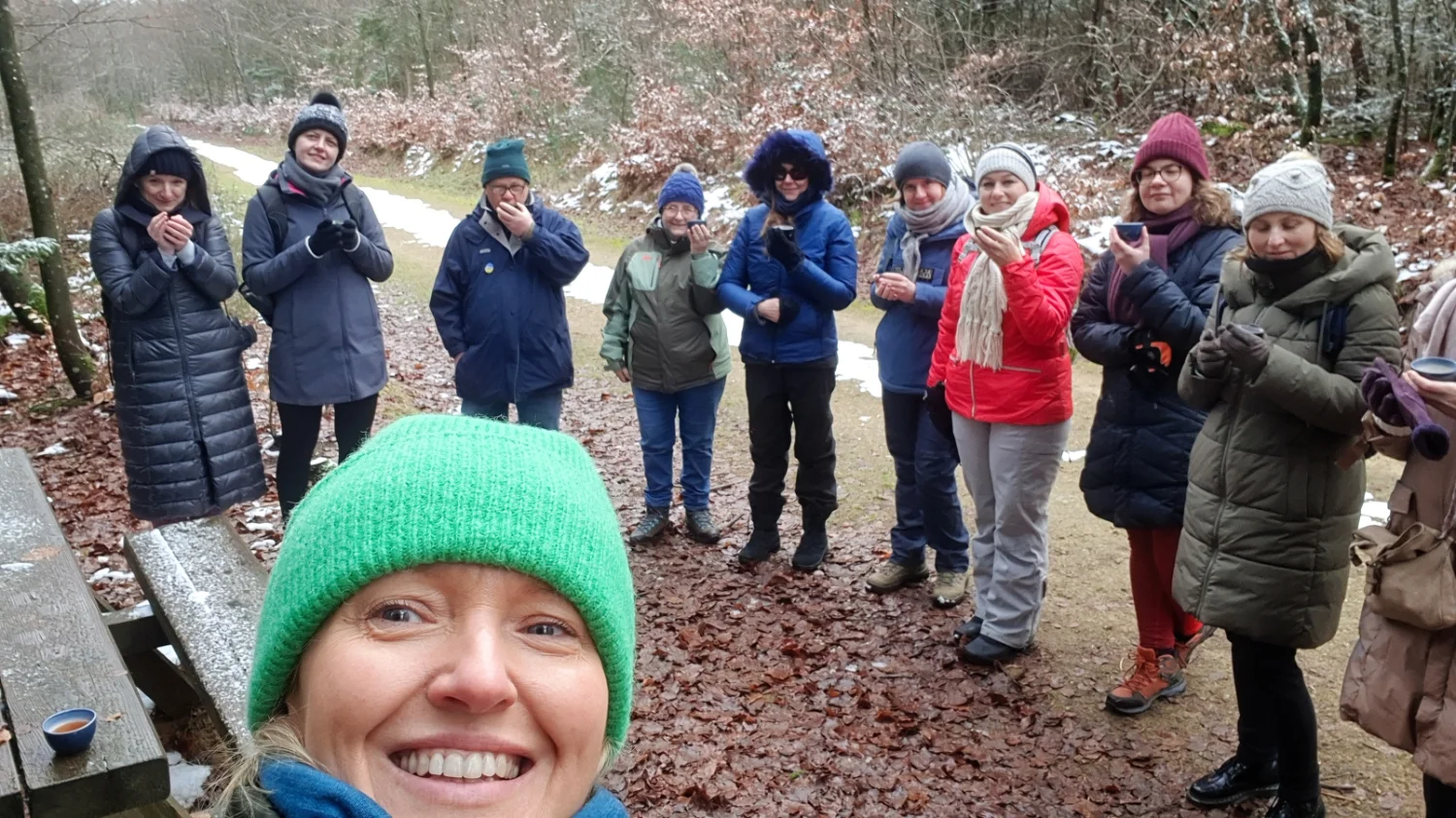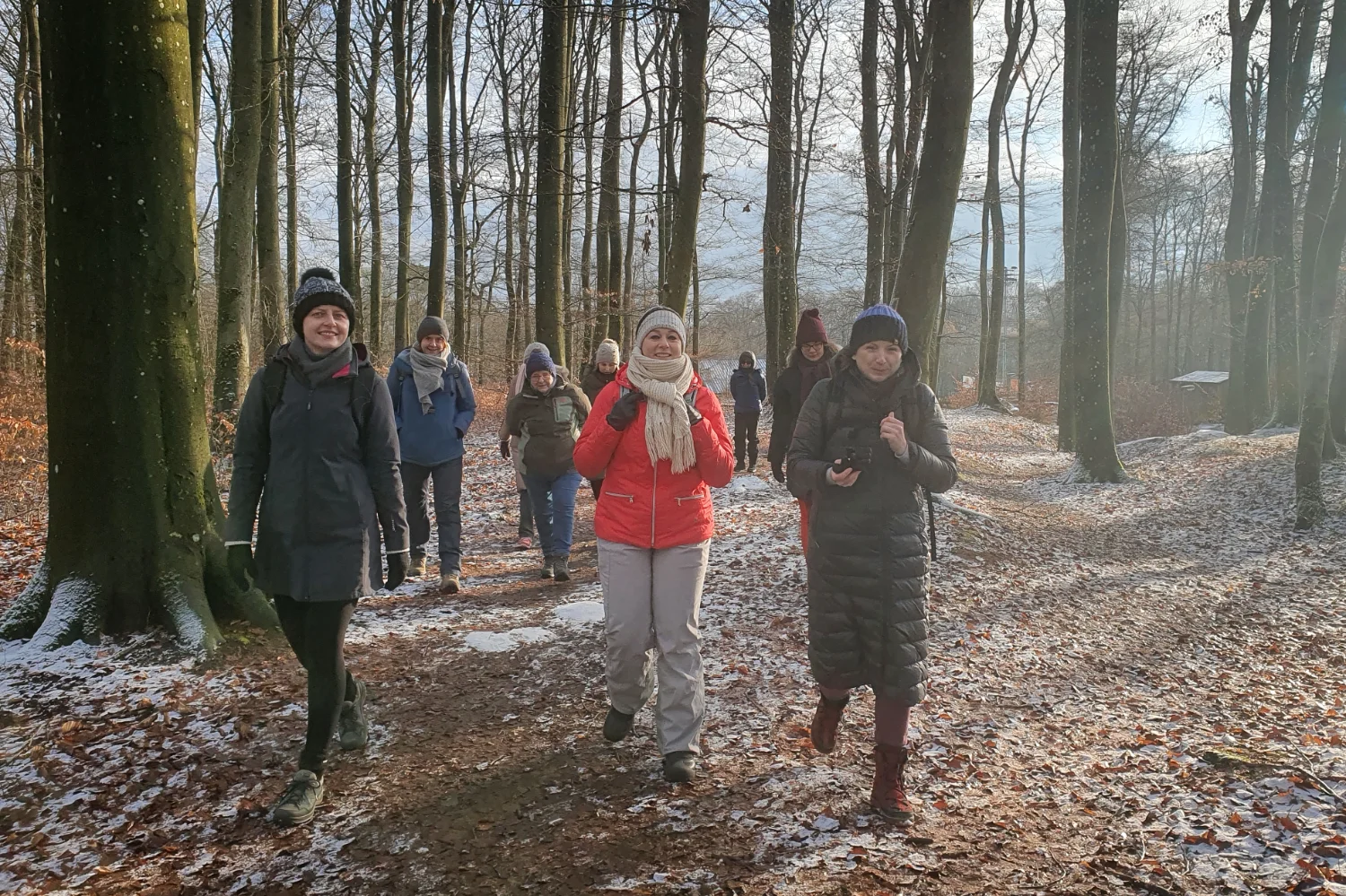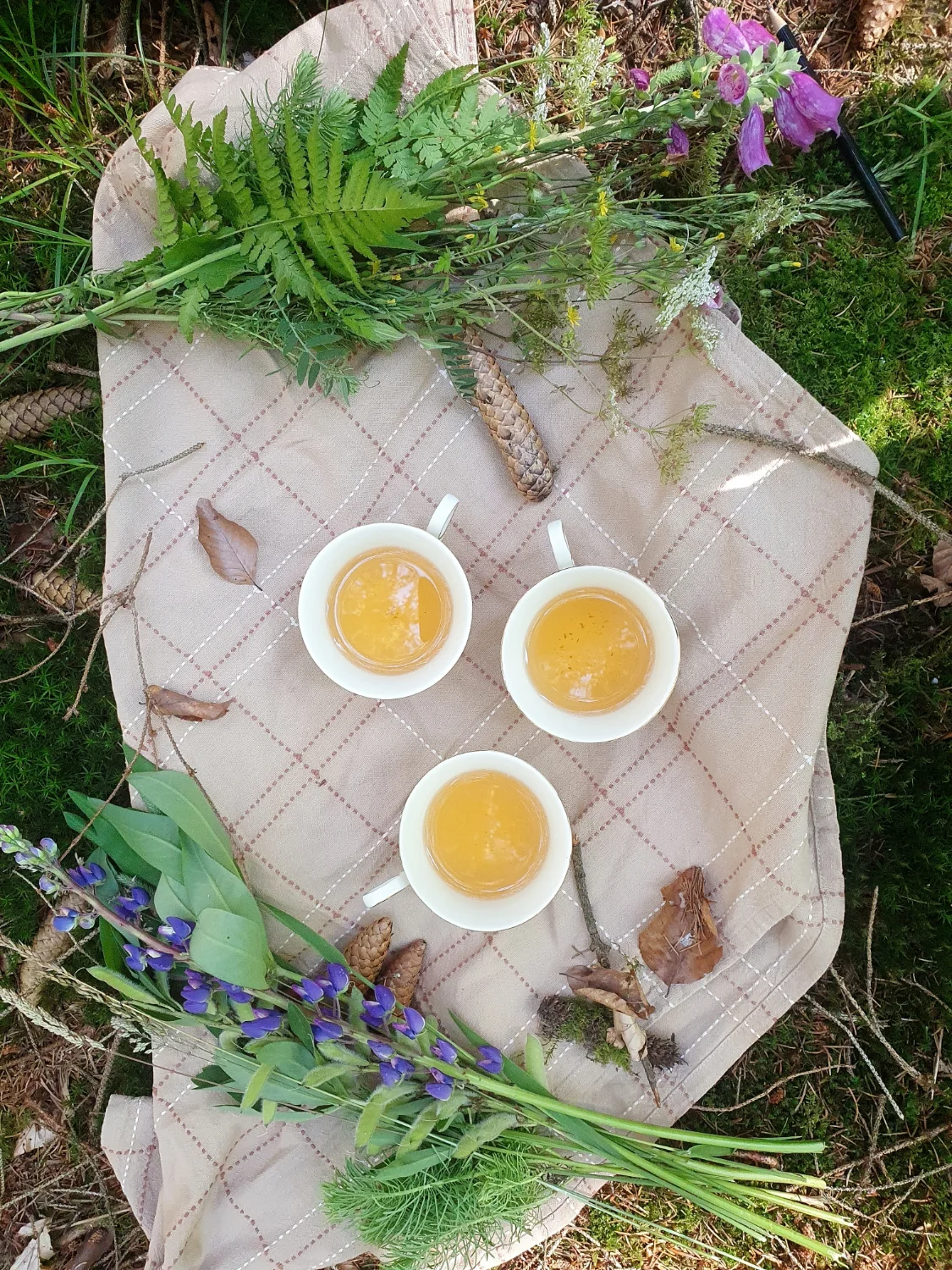
What is Forest Bathing (Shinrin-yoku)?
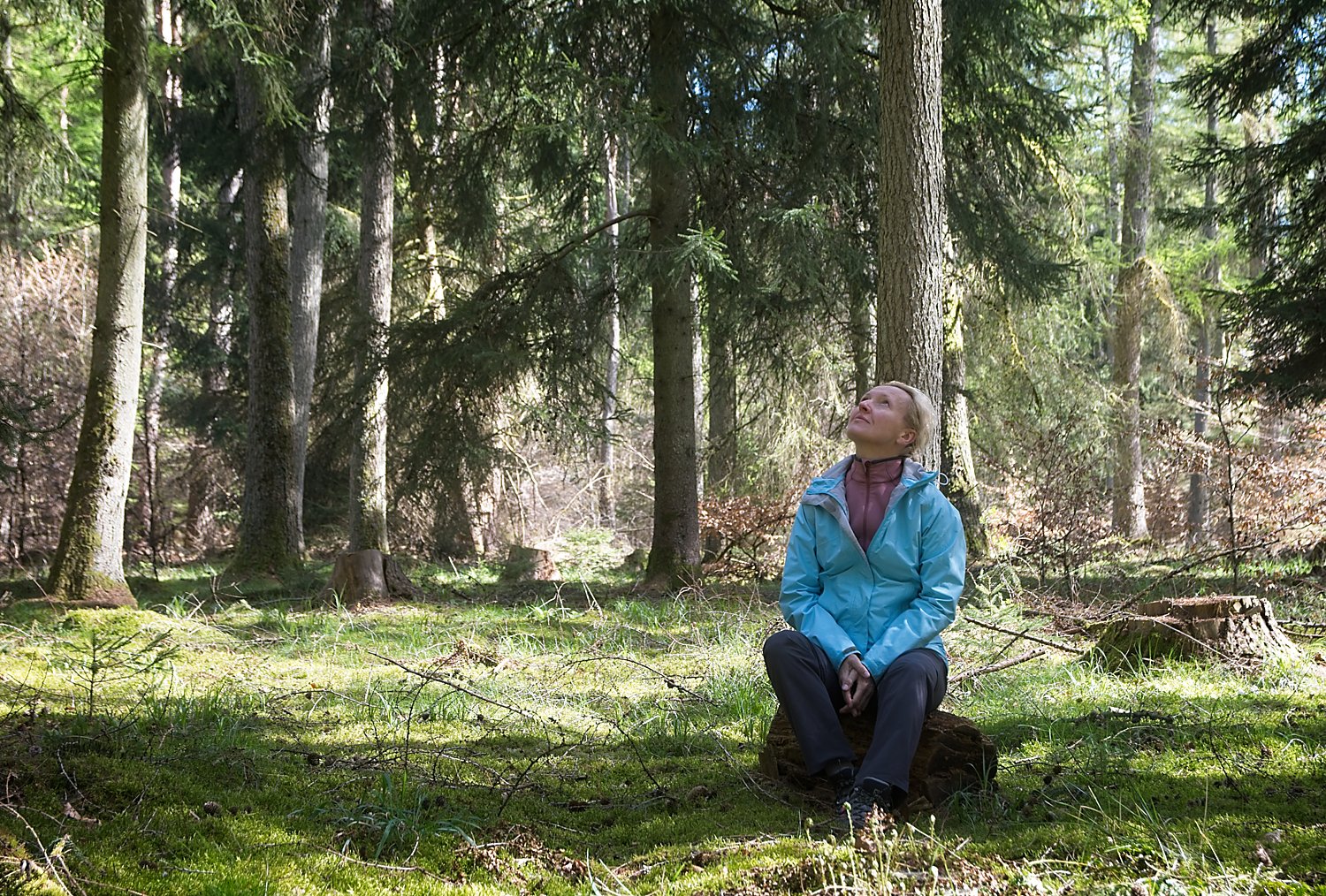
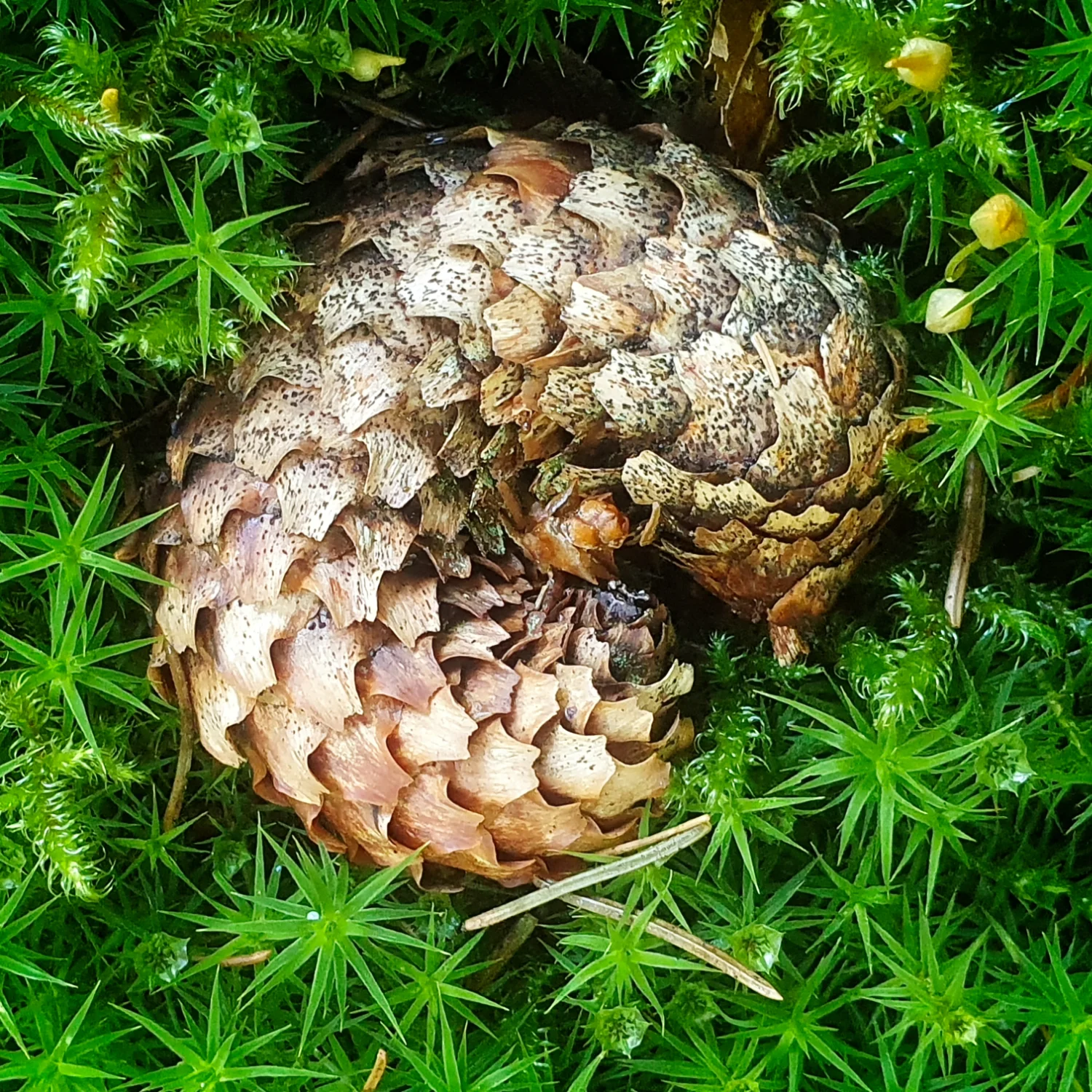
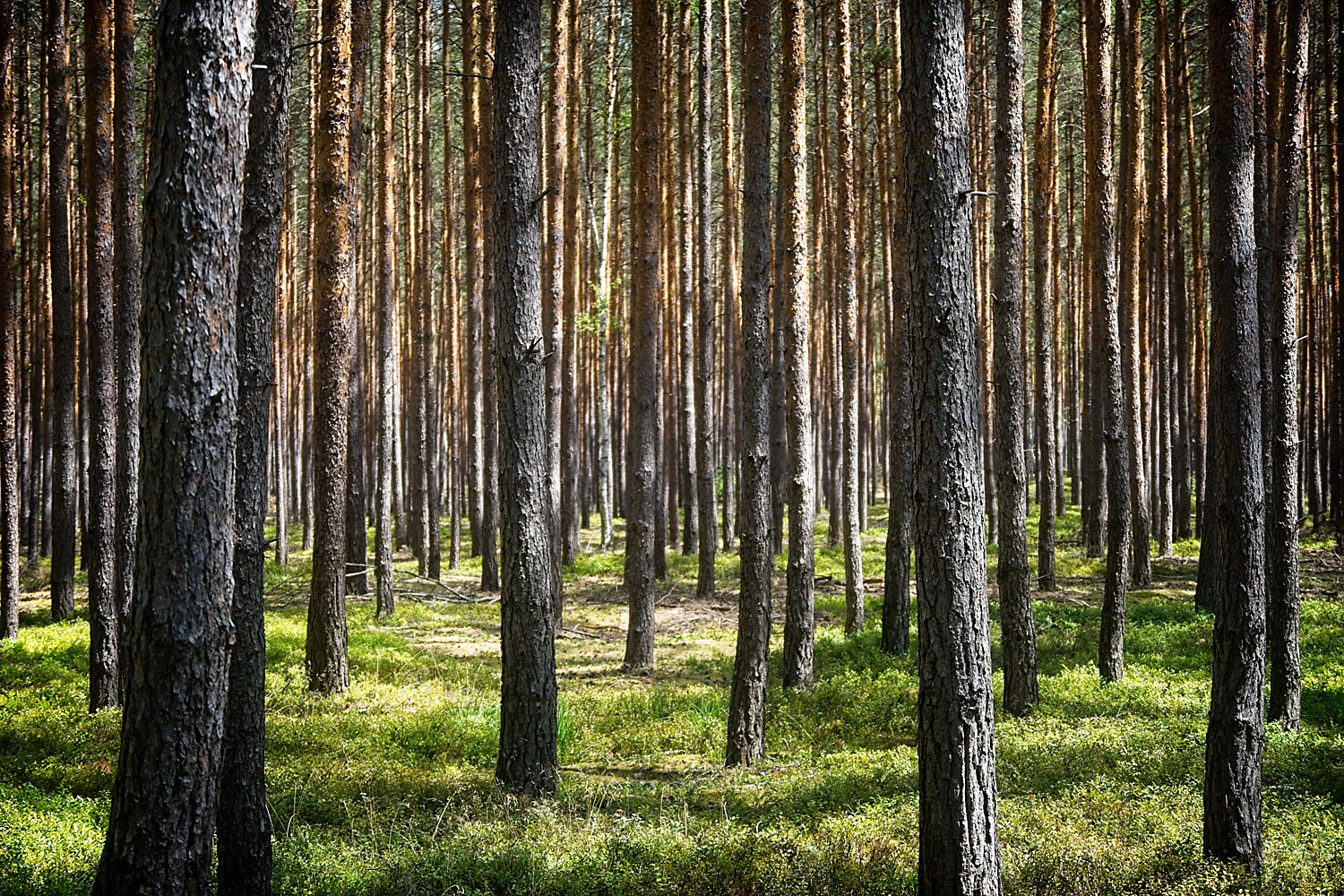
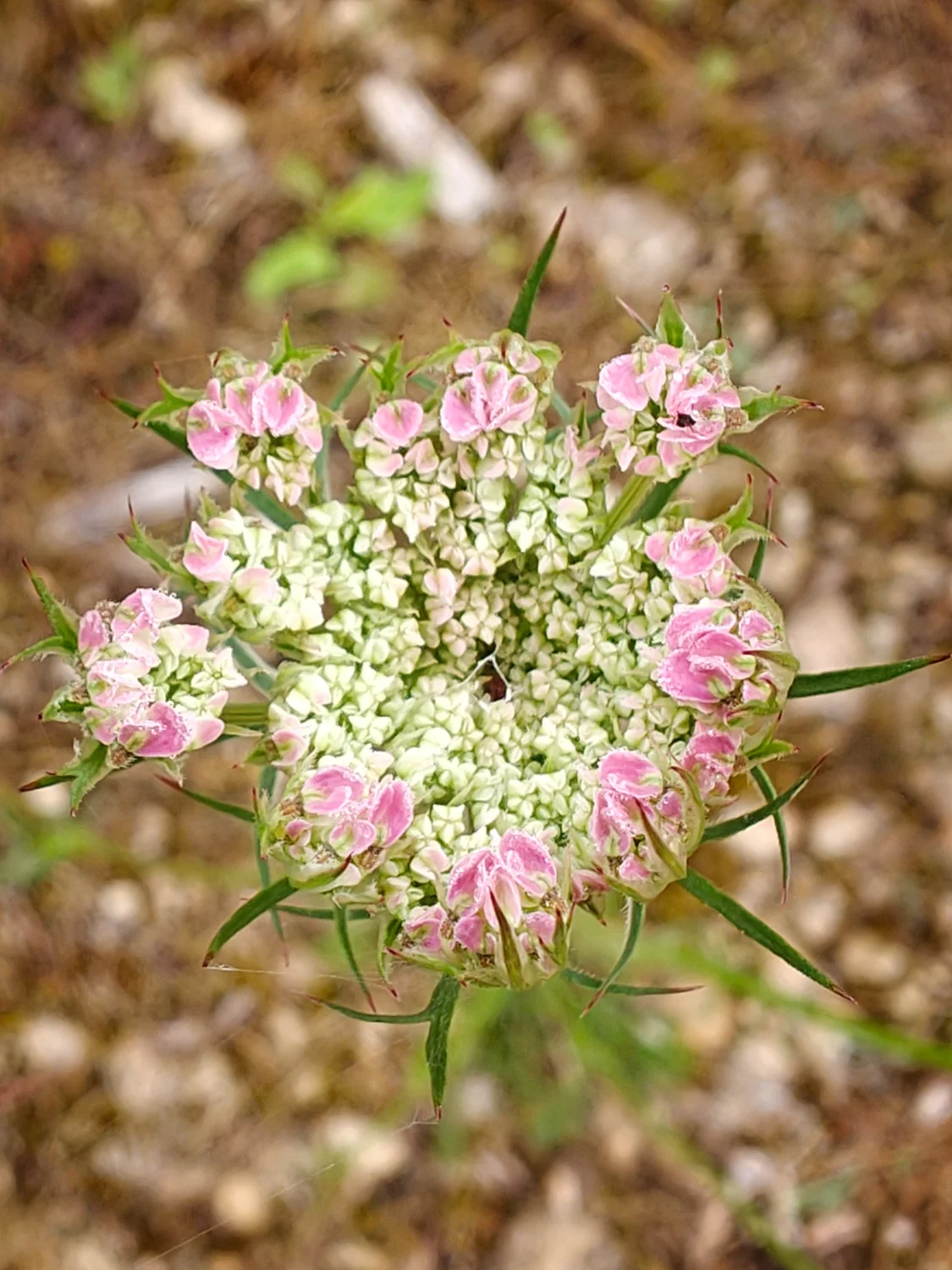
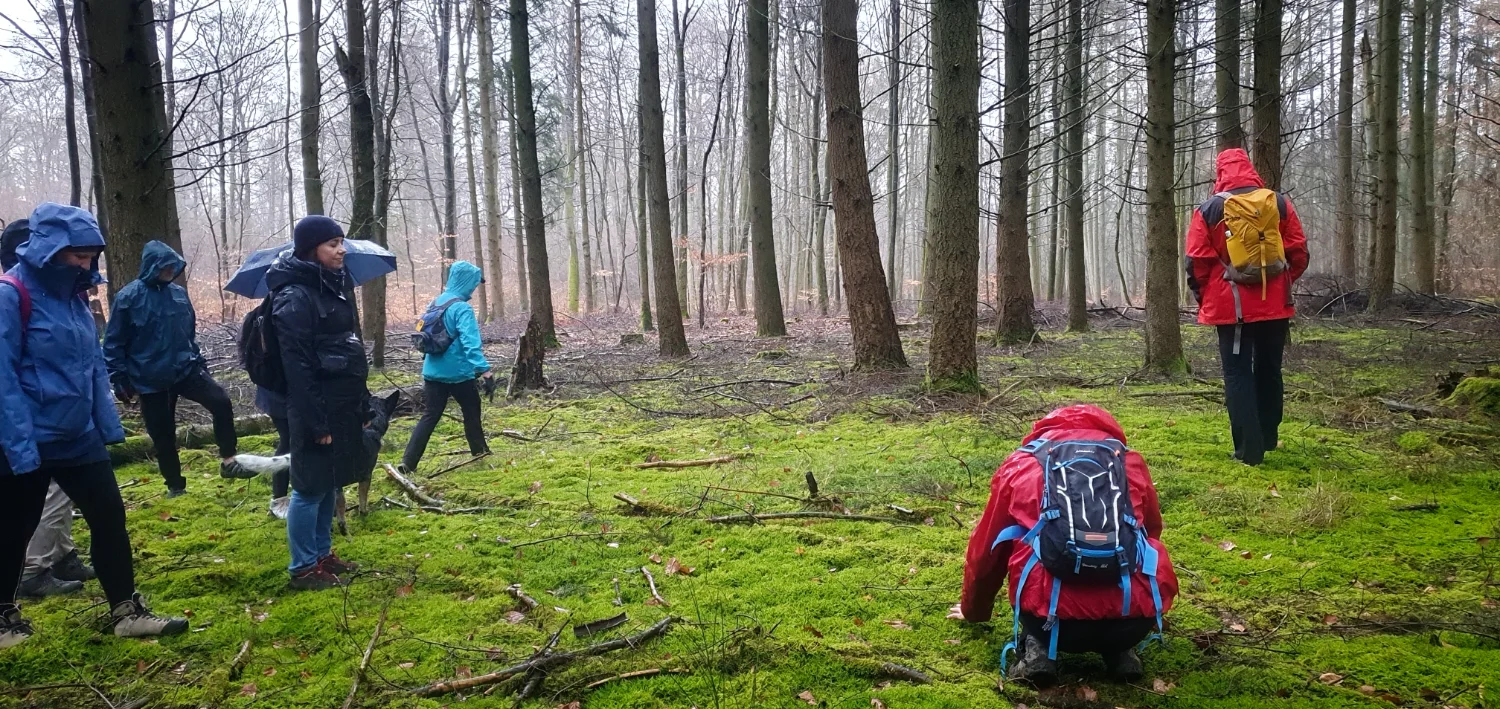
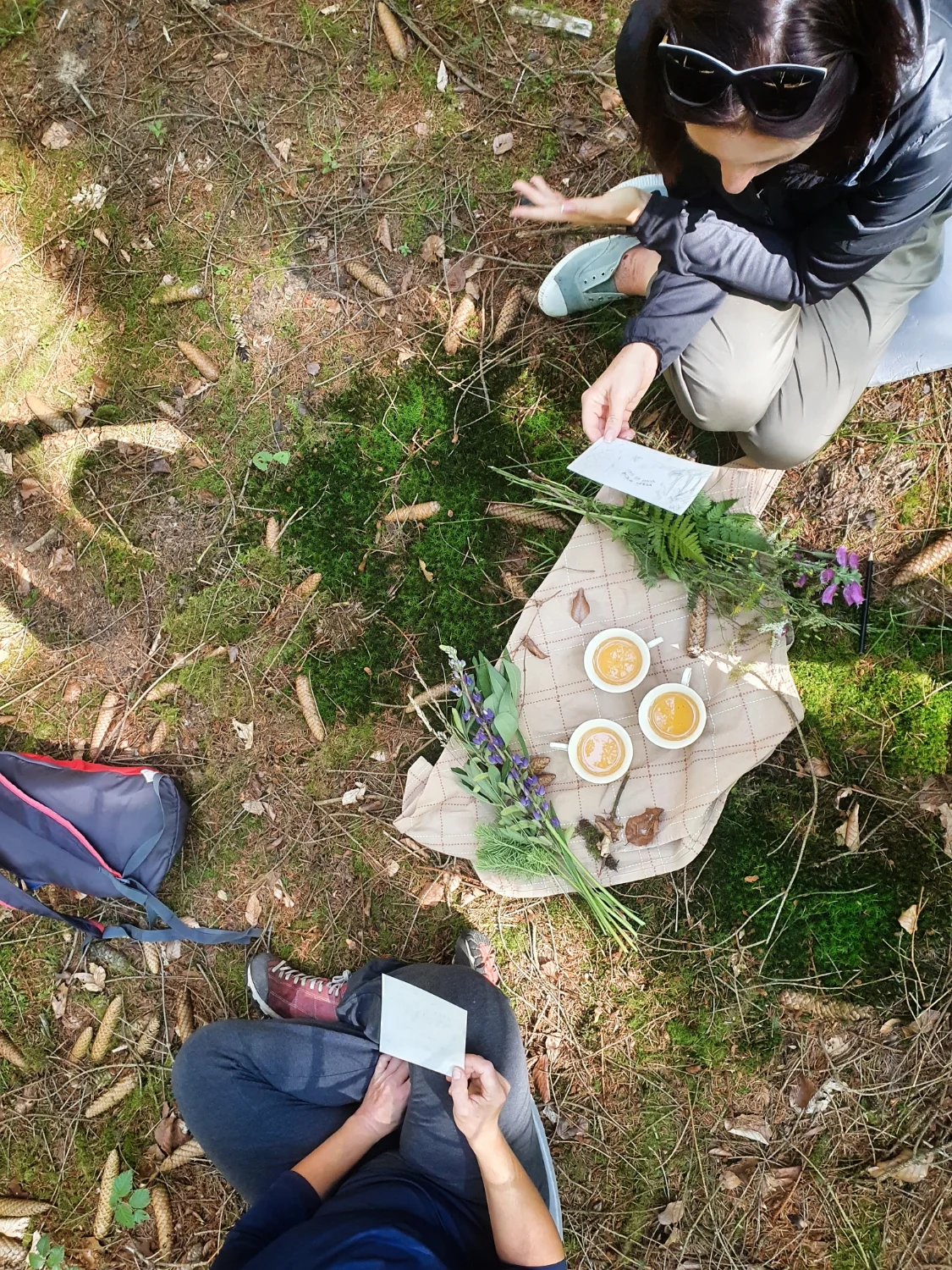
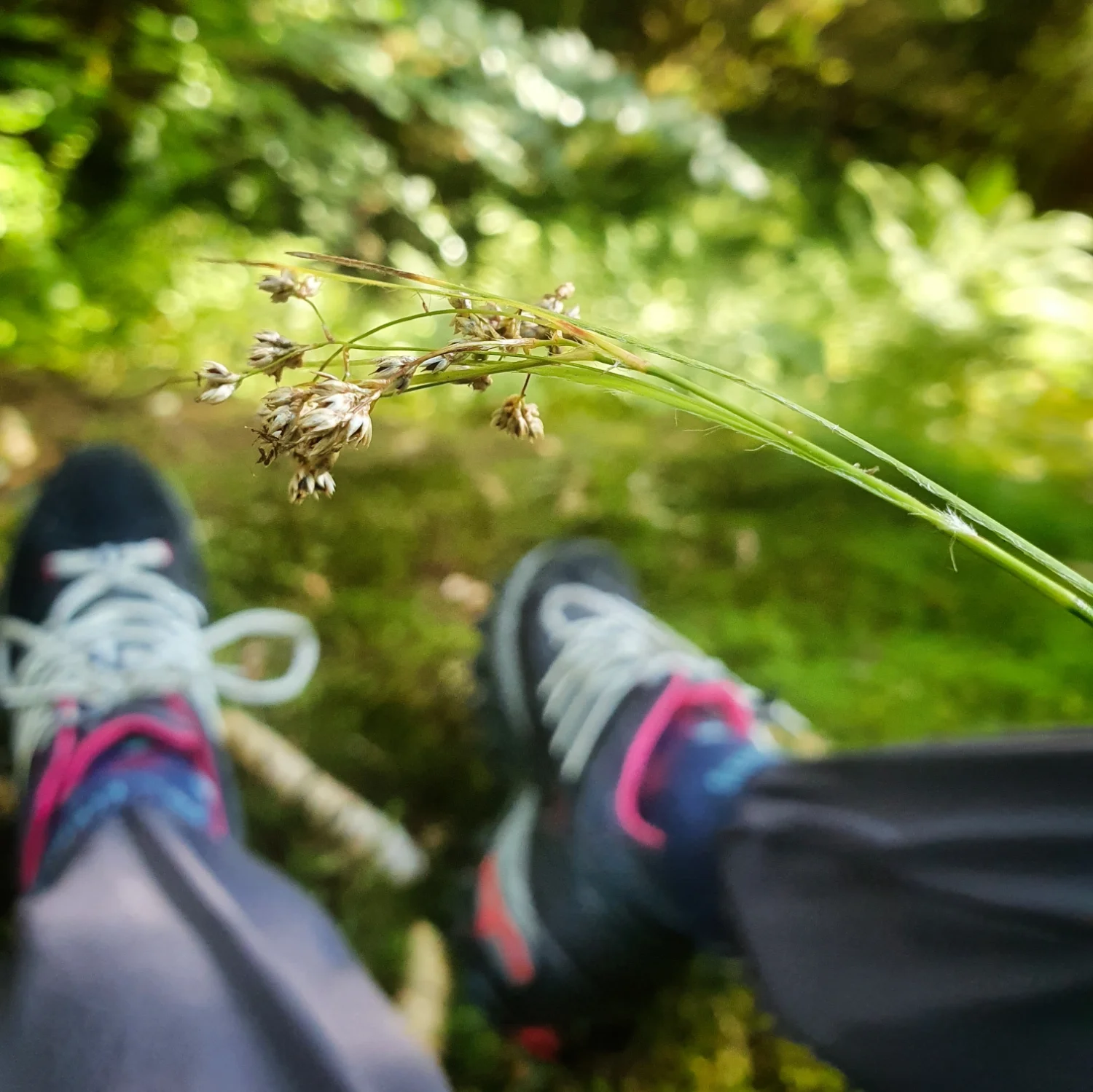
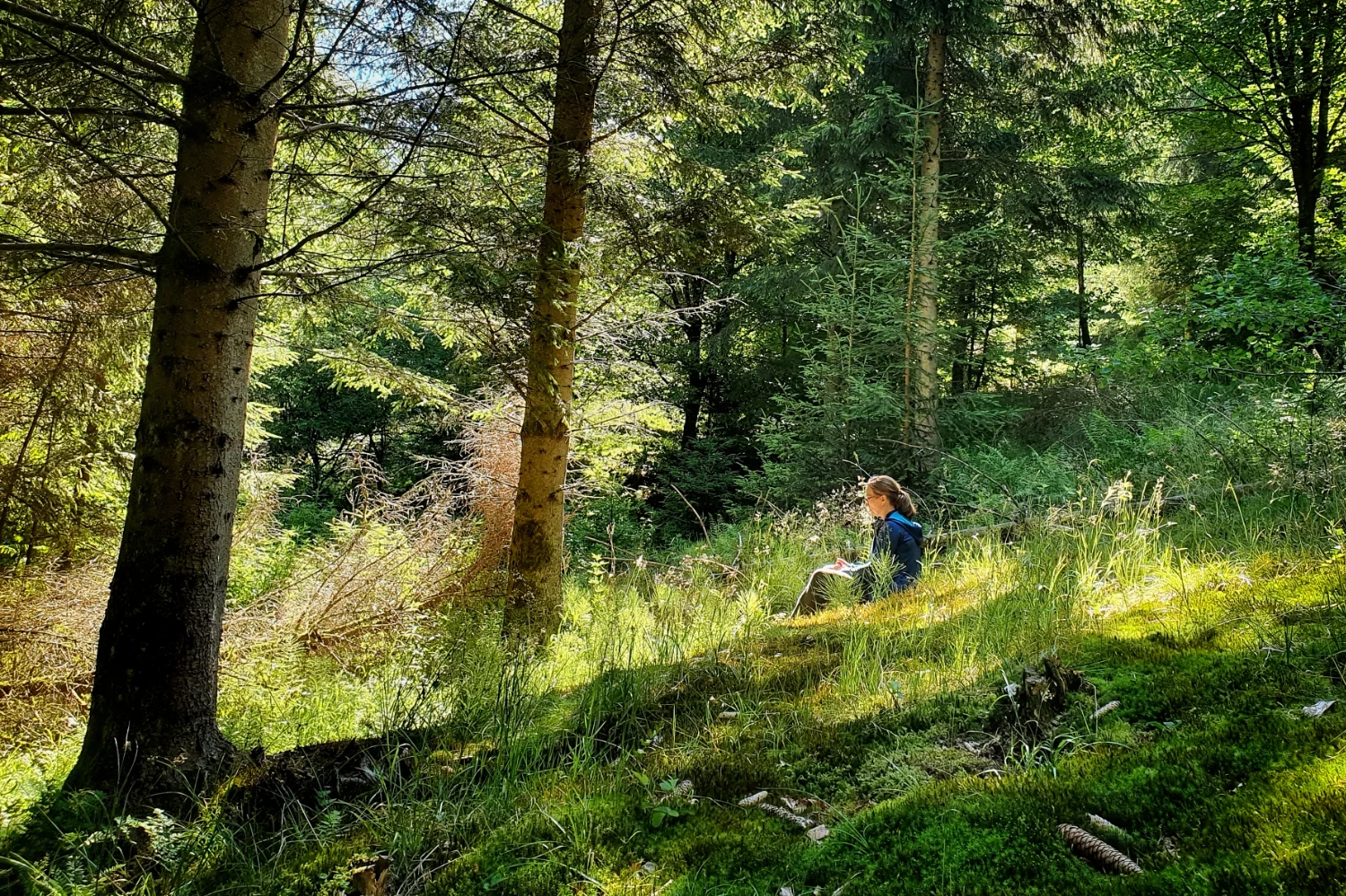
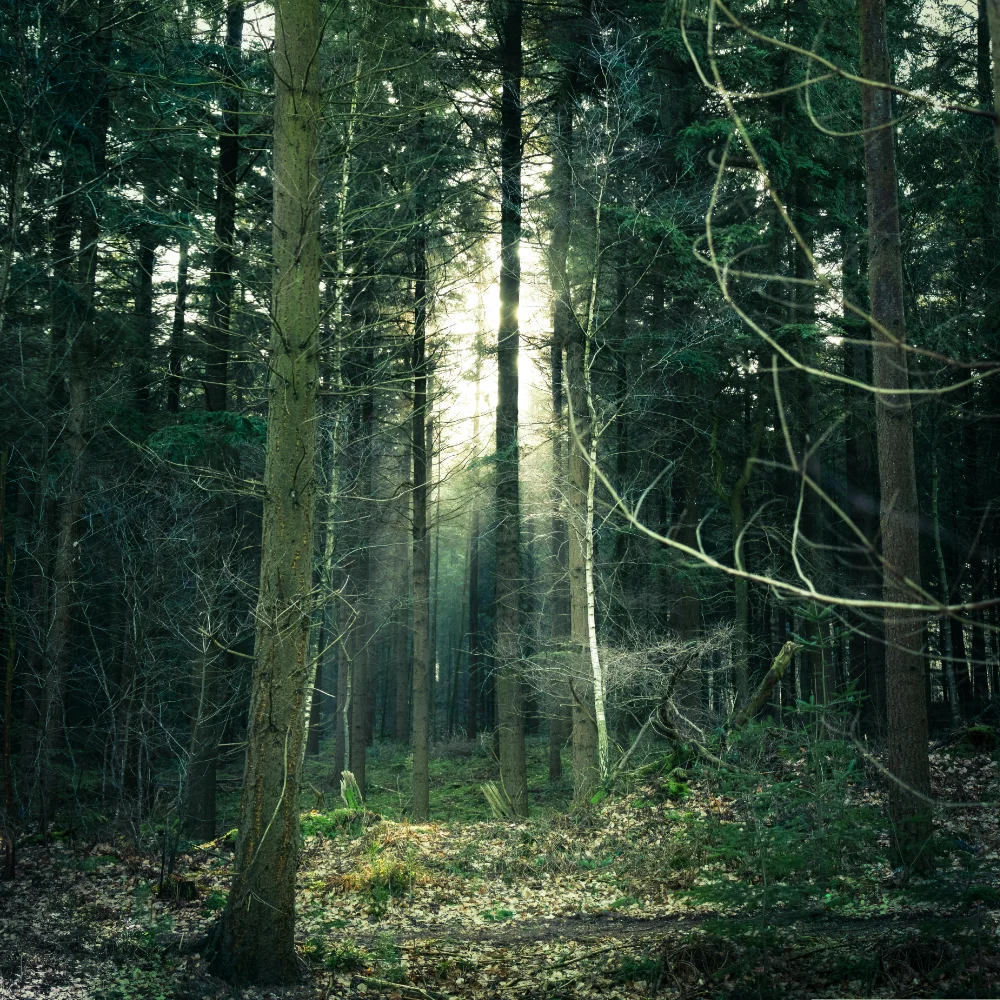
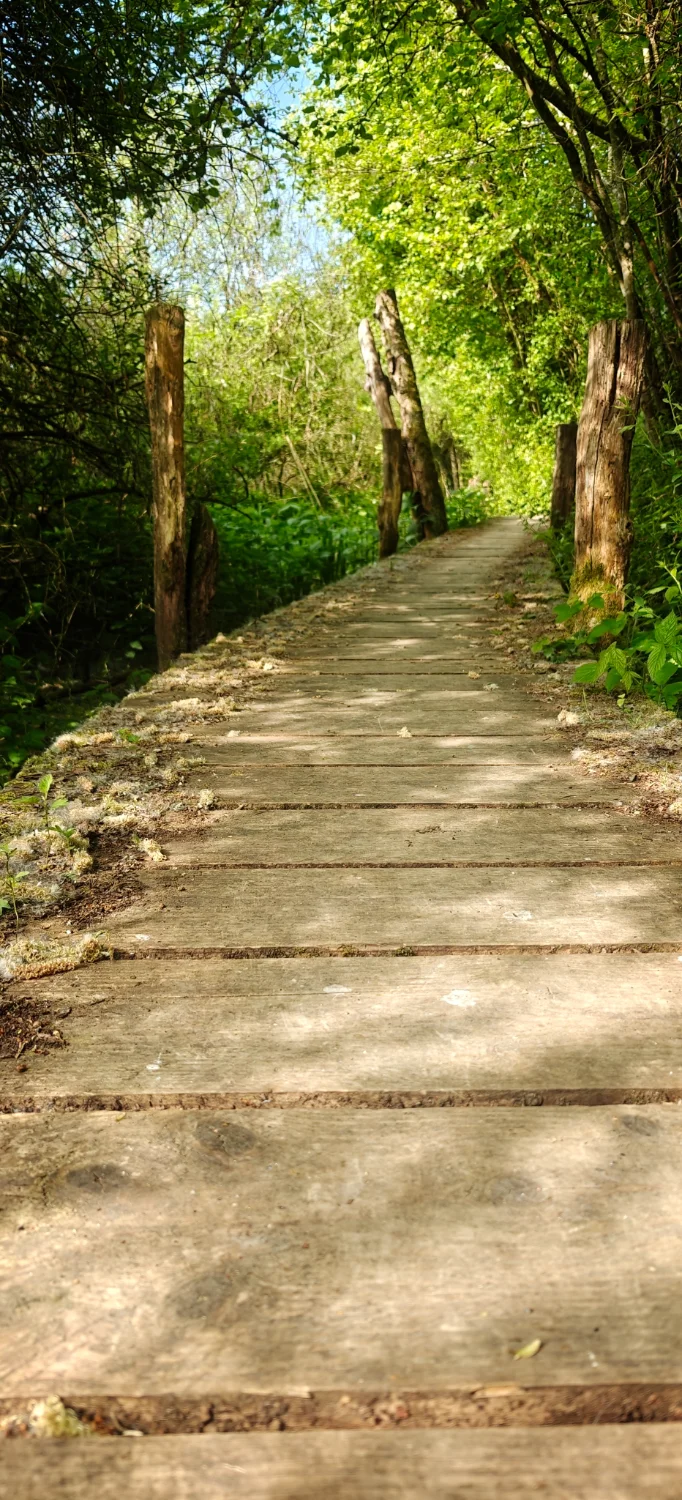
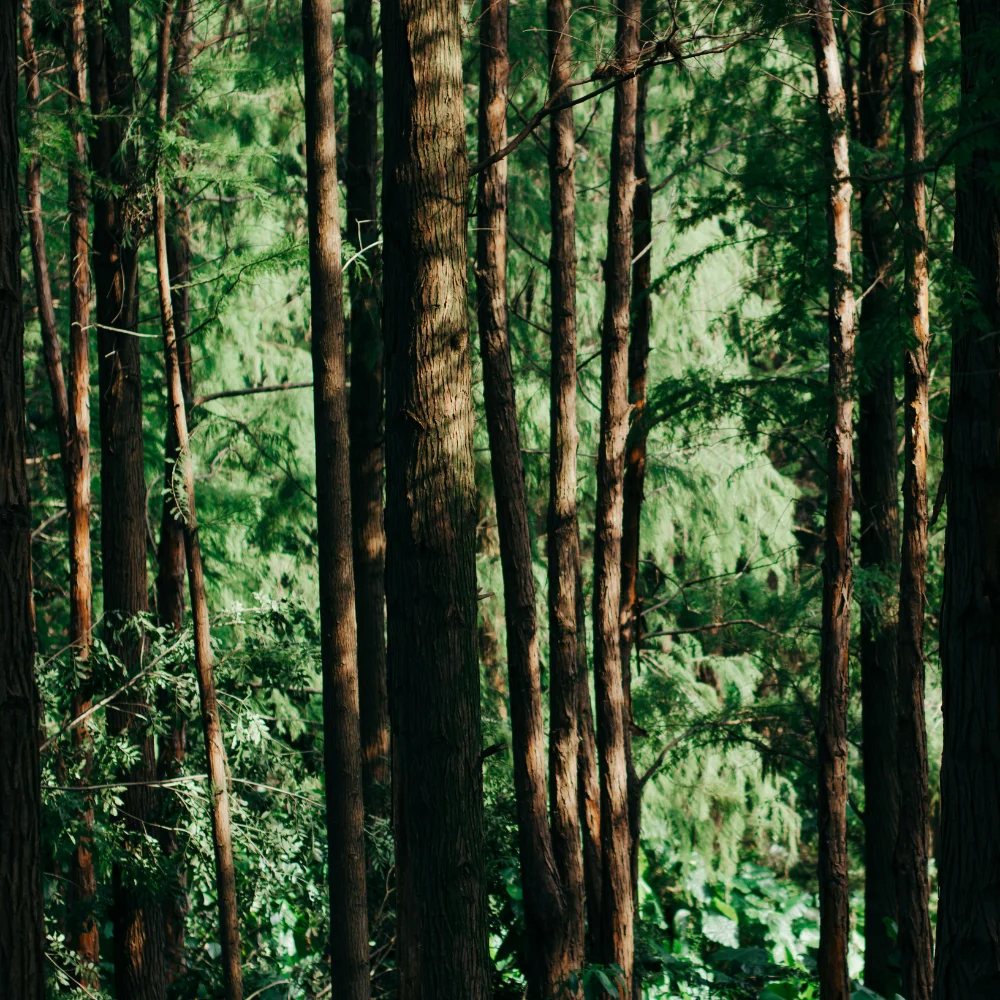
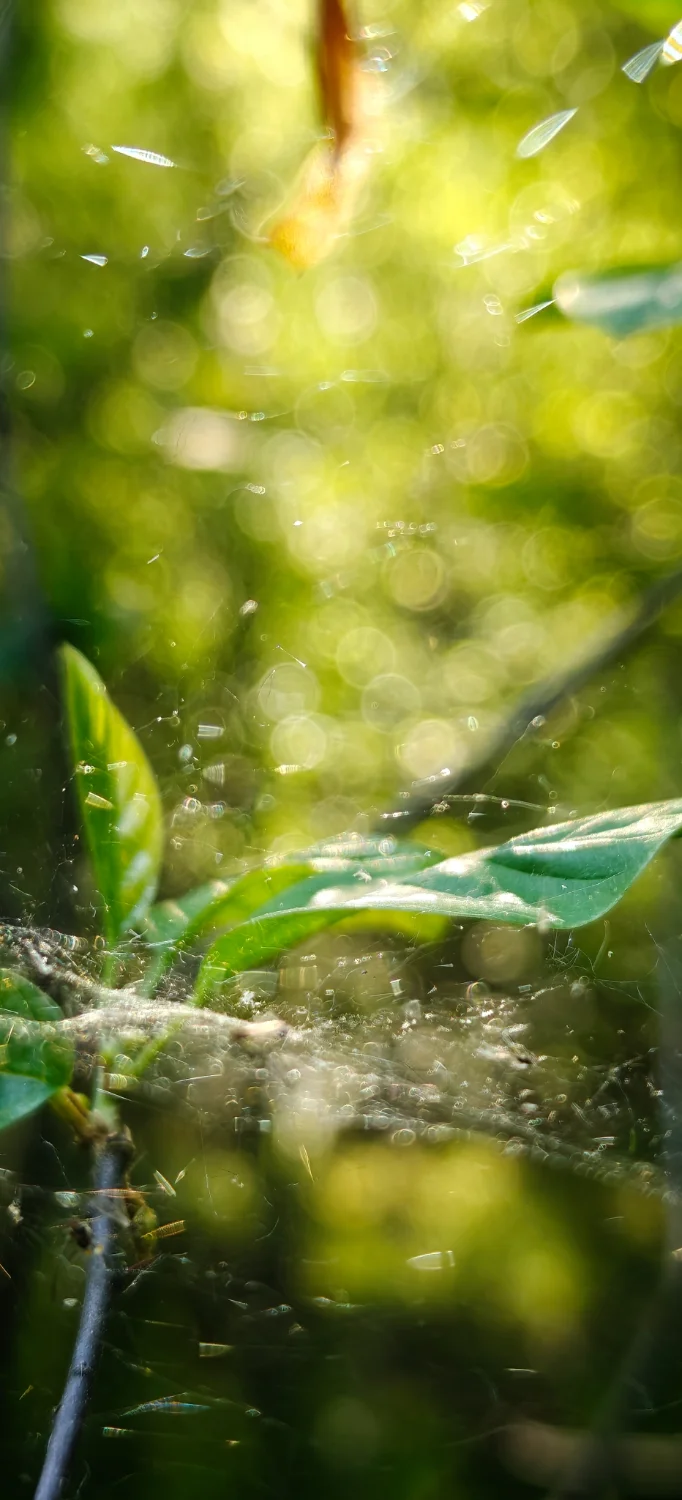
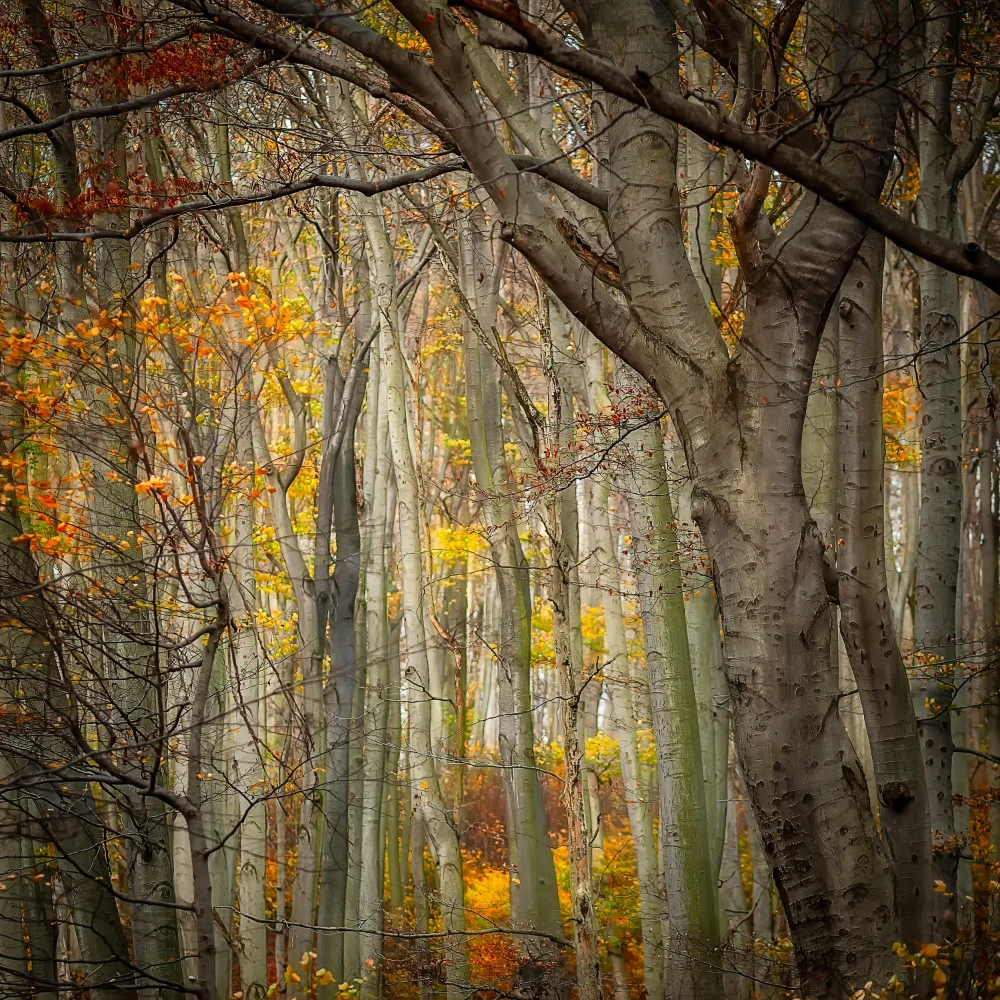
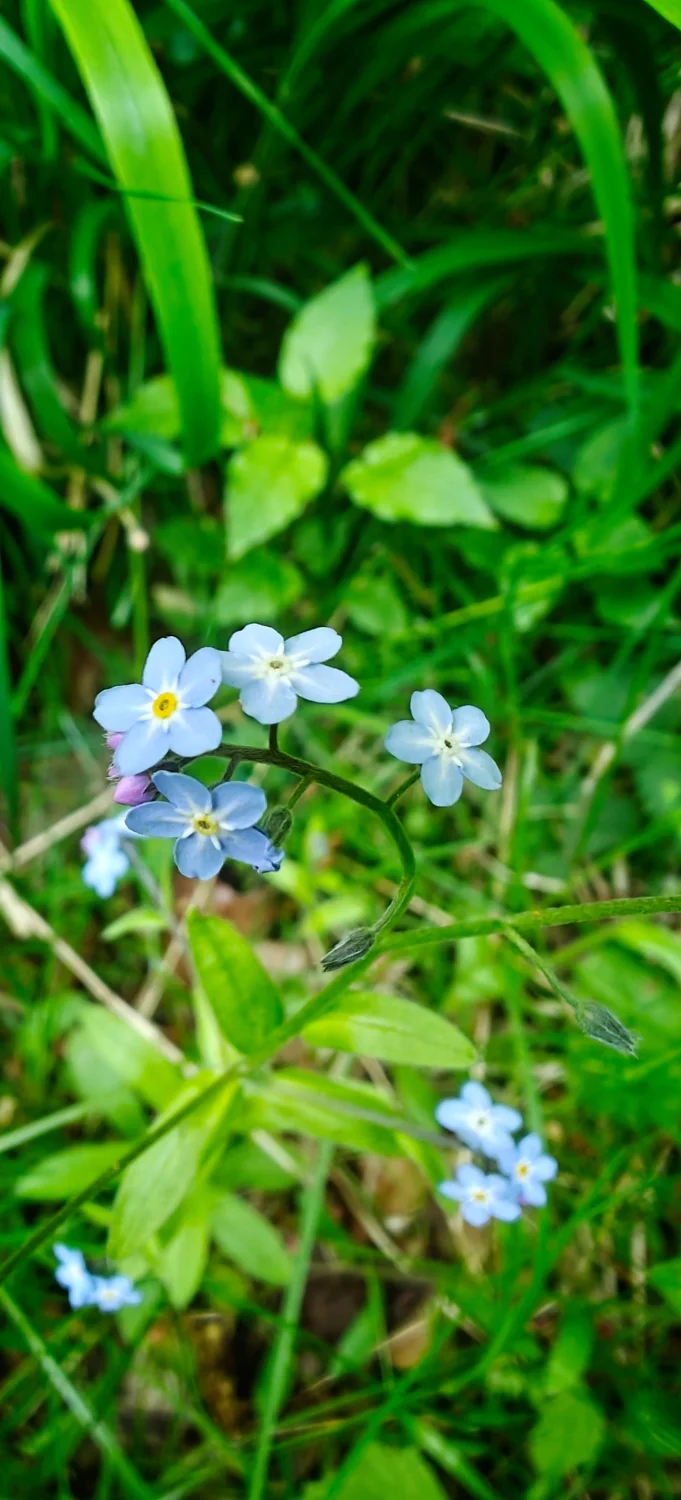
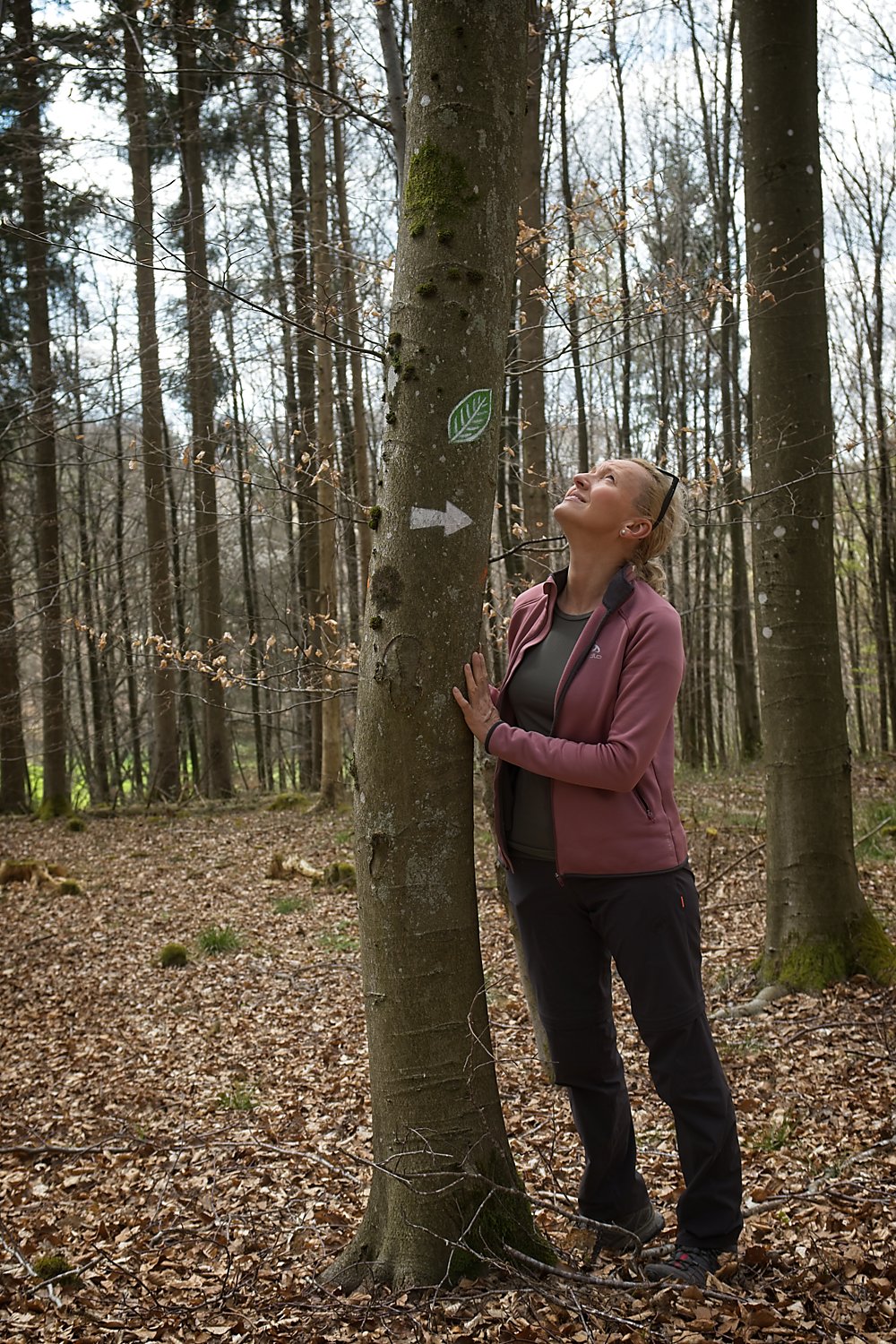
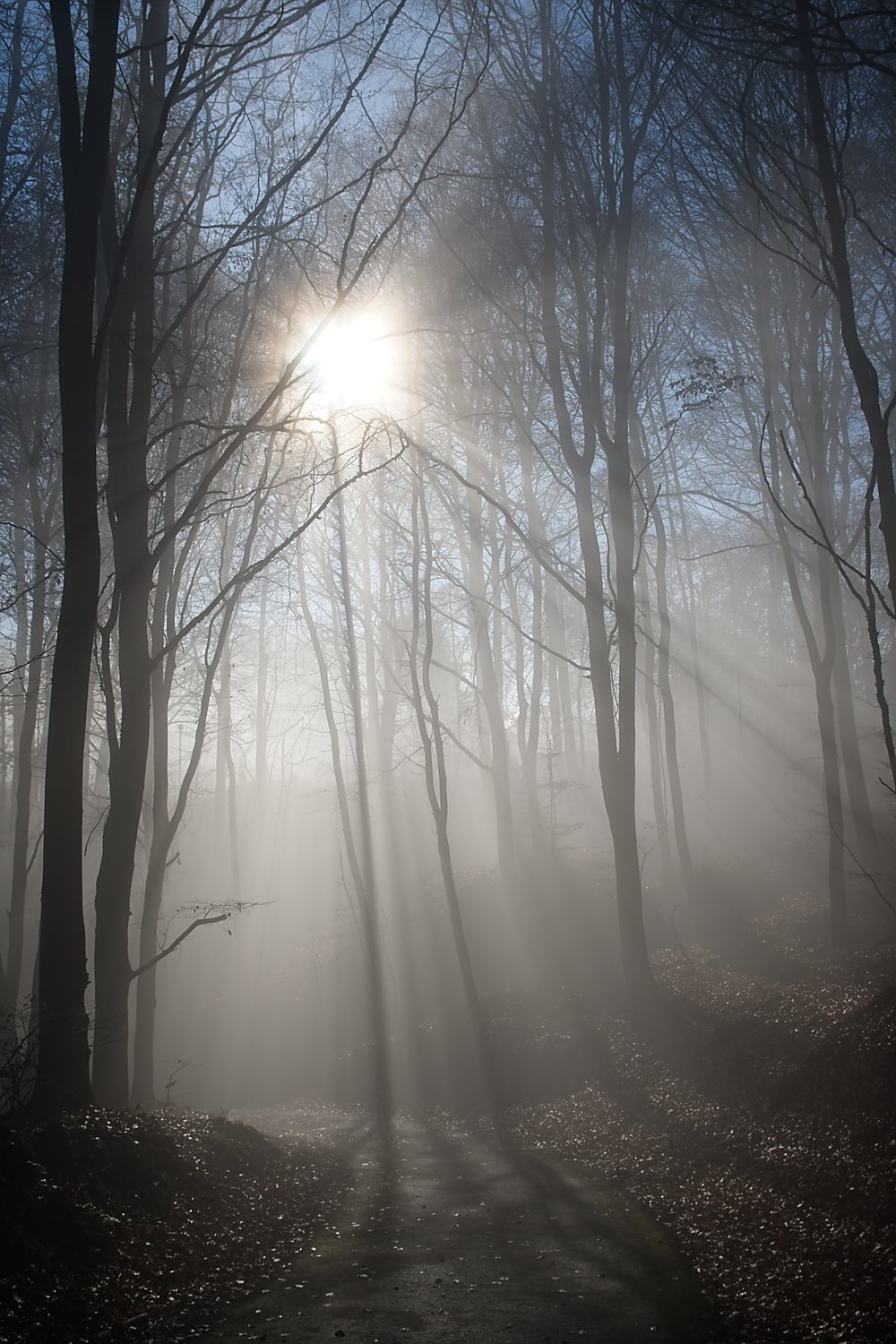
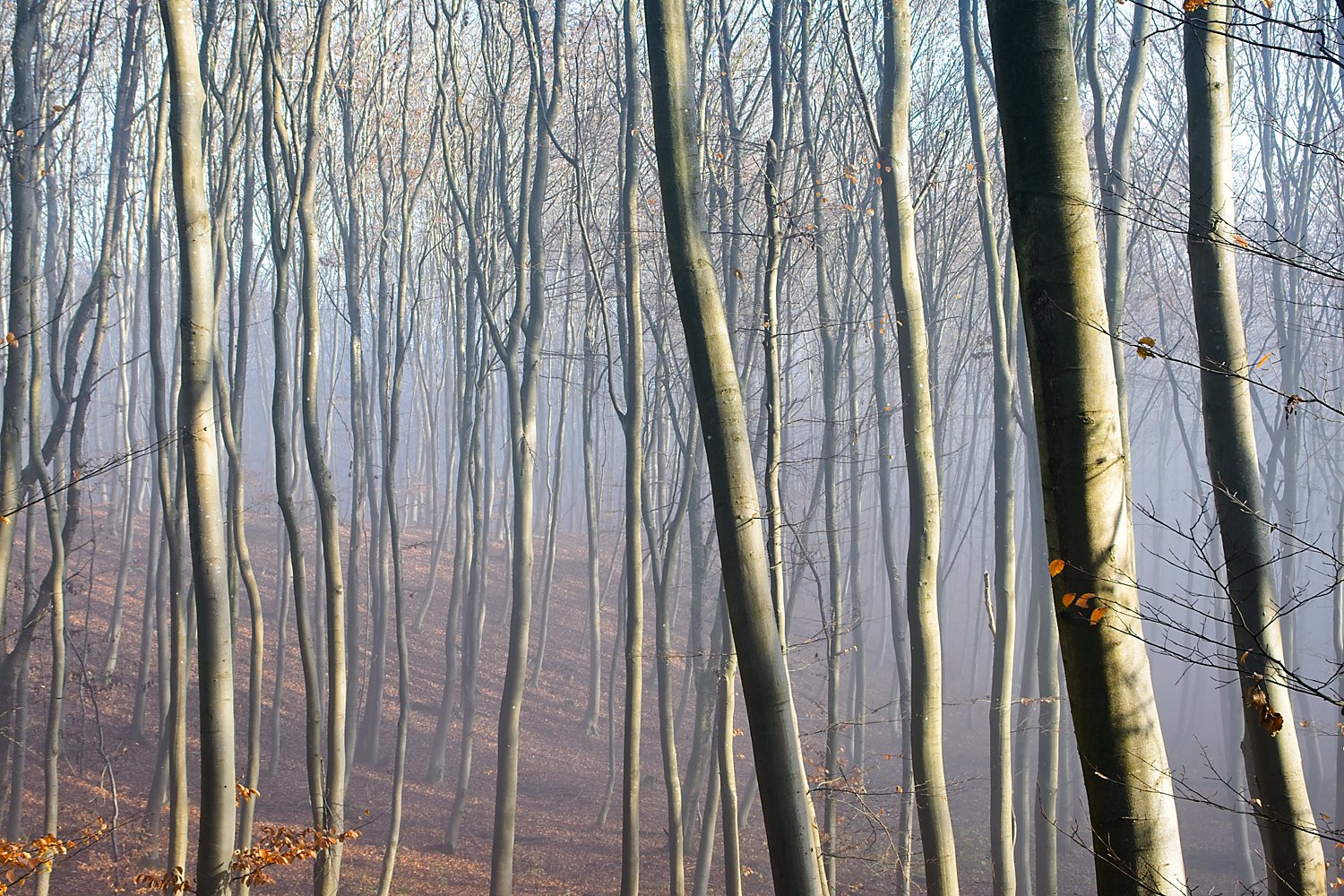
Forest bathing, or Shinrin-yoku, is a Japanese wellness practice that means “taking in the forest atmosphere” through all your senses. It involves walking slowly and mindfully through a natural environment—typically a forest—without any specific destination or physical goal. Unlike hiking or exercising, the focus is on simply being in nature, observing, breathing, and reconnecting with the present moment. This intentional, sensory experience includes noticing sounds, textures, smells, and visual details like sunlight through leaves or the shape of a tree trunk.
The practice was developed in Japan in the 1980s as a public health response to growing urban stress and disconnection from nature. It’s a gentle, non-strenuous practice suitable for all ages. Forest bathing is now widely embraced around the world for its calming and restorative effects.
Mental and Physical Health Benefits
Forest bathing has been scientifically shown to reduce stress hormones (like cortisol), lower blood pressure, and improve heart rate variability, which indicates better resilience to stress. Exposure to nature boosts mood, reduces anxiety, and enhances mental clarity. One of the key elements is the inhalation of phytoncides, natural antimicrobial compounds released by trees, which may improve immune function and even increase levels of natural killer (NK) cells that fight disease. People who practice forest bathing often report feeling calmer, more balanced, and emotionally refreshed afterward. It also helps to reduce symptoms of depression and fatigue, particularly for those experiencing burnout or mental overload.
Long-term, regular engagement with forests can contribute to a more stable and positive mental state. Simply put, spending time mindfully in forests is a natural, drug-free way to support holistic health.
Mindfulness and Reconnection with Nature
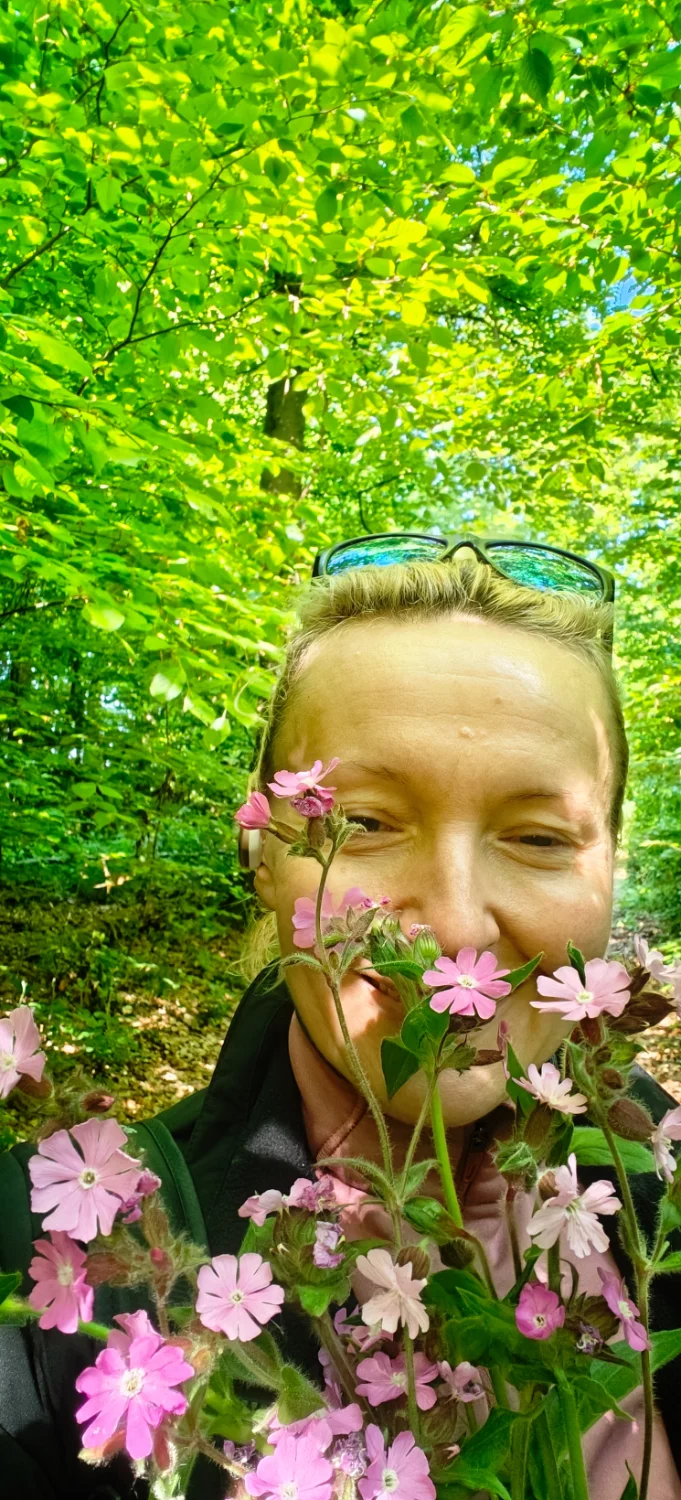
Shinrin-yoku is a powerful form of mindfulness in motion, encouraging you to shift from constant thinking to direct sensing and presence. In the forest, people are invited to slow down, breathe deeply, and tune in to their surroundings without screens, noise, or distractions. This reawakens sensory awareness and fosters a deeper connection with the natural world. Forest bathing can feel almost meditative, helping people cultivate gratitude, reflection, and inner peace. It reminds us that we are not separate from nature, but part of a living ecosystem.
Many participants find that their sense of wonder, creativity, and emotional openness increases during and after forest bathing. This practice offers a powerful antidote to the overstimulation and disconnection of modern life.
Cultural Origins and Global Expansion
Shinrin-yoku began in Japan in the early 1980s, promoted by the Japanese Ministry of Forestry as a preventive health practice. It draws from deep cultural traditions of respect for nature, as well as modern research into environmental psychology and wellness. Today, certified forest therapy guides lead sessions across the world—in Europe, North America, South Korea, and beyond—adapting the practice to different ecosystems and cultures. It has found a place in hospitals, schools, wellness retreats, and even urban parks, helping people reconnect with green spaces no matter where they live.
The global spread of forest bathing reflects a growing recognition of nature as a vital part of human health, not a luxury. As more people seek balance, healing, and meaning in their lives, Shinrin-yoku continues to offer a gentle, grounded, and accessible path forward.